

A part of us...
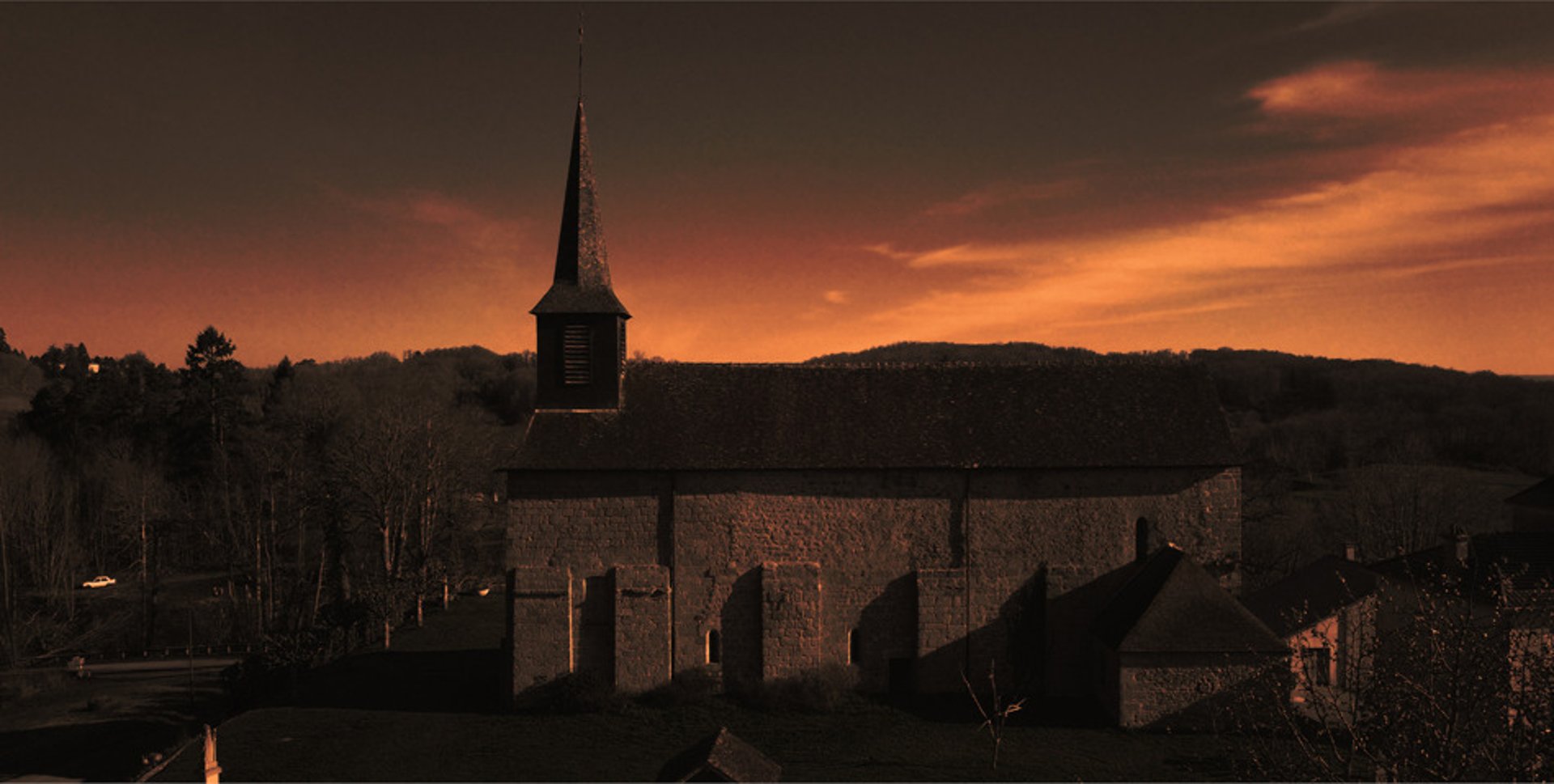
Heritage in form of buildings is an opportunity for small villages, but over the years it can also become a burden. And the risk of disappearance is real. This church which stands at the heart of our village, originally a Templar commandery, is part of our identity.
It has brought us together, gathered us in its chapel, creating new bonds within the village. It is our history, our culture, our identity, and we have the responsibility to protect it in order to pass it on to future generations. Defending the unique characteristics of our region to help maintain our collective memory, these are precisely the reasons why we draw your attention to this former commandery.
... to be preserved
As part of a programme to highlight this church, consolidation and restoration became a priority for the town. In 1991, at the request of the Chamberaud municipality, the regional and national commissions for Monuments Historiques (Historic Monuments) recommended listing the entire building. At that time, Alain Broussard, a technician with the Buildings of France (B timents de France) department, noted that "this building is in very poor condition. Two vaults have collapsed and the others are in a pitiful state due to water leaks. This church is barely salvageable."
Since 1992, the town's residents have mobilised to save this building of such noble origins. L'Association pour la valorisation du patrimoine historique (The Association for the Promotion of the Historical Heritage of Chamberaud) was created. Today, further restoration is still needed, at a cost of over 600,000 euros. The 100 residents therefore need your help.
A Knights Templar Story
The Knights Templar was a religious and military order. Its members, the Templar knights, were tasked with protecting Christians from all over Western Europe who were travelling on pilgrimage to the Holy Land. It was founded around 1118 in Jerusalem by a small group of knights. Initially recognised, the order was later dissolved in 1312 by Pope Clement V.
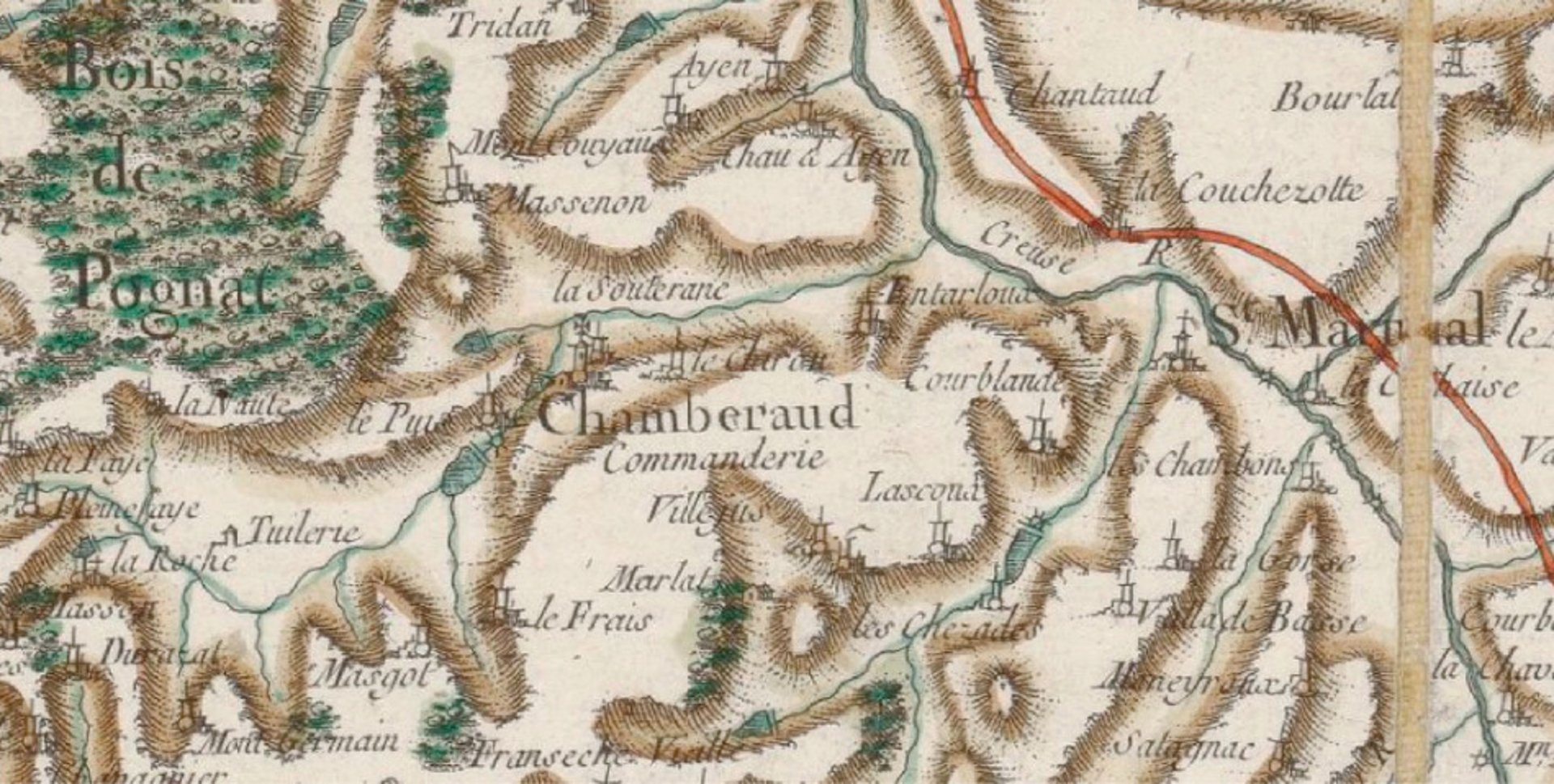
The Commandery of Chamberaud appears for the first time in a text from 1282. Built on a strategic location, on high ground near an important road junction, it is located on the Lyon-Saintes Road, one of the four major Roman roads in Emperor Agrippa's network.
The commandery consisted of a fairly high defence wall, within which was a large courtyard with several buildings, one for residential use and another for servants and livestock. The commandery also had a chapel, a cemetery, a kitchen garden and an orchard, and near the enclosure were two barns, three mills, ponds, farmland and a forge. Many changes have been noted over the centuries such as destruction, abandonment and reconstruction. To date, and since the 19th century, all that remains is the chapel and the square tower that became a bell tower, which was part of the living quarters.
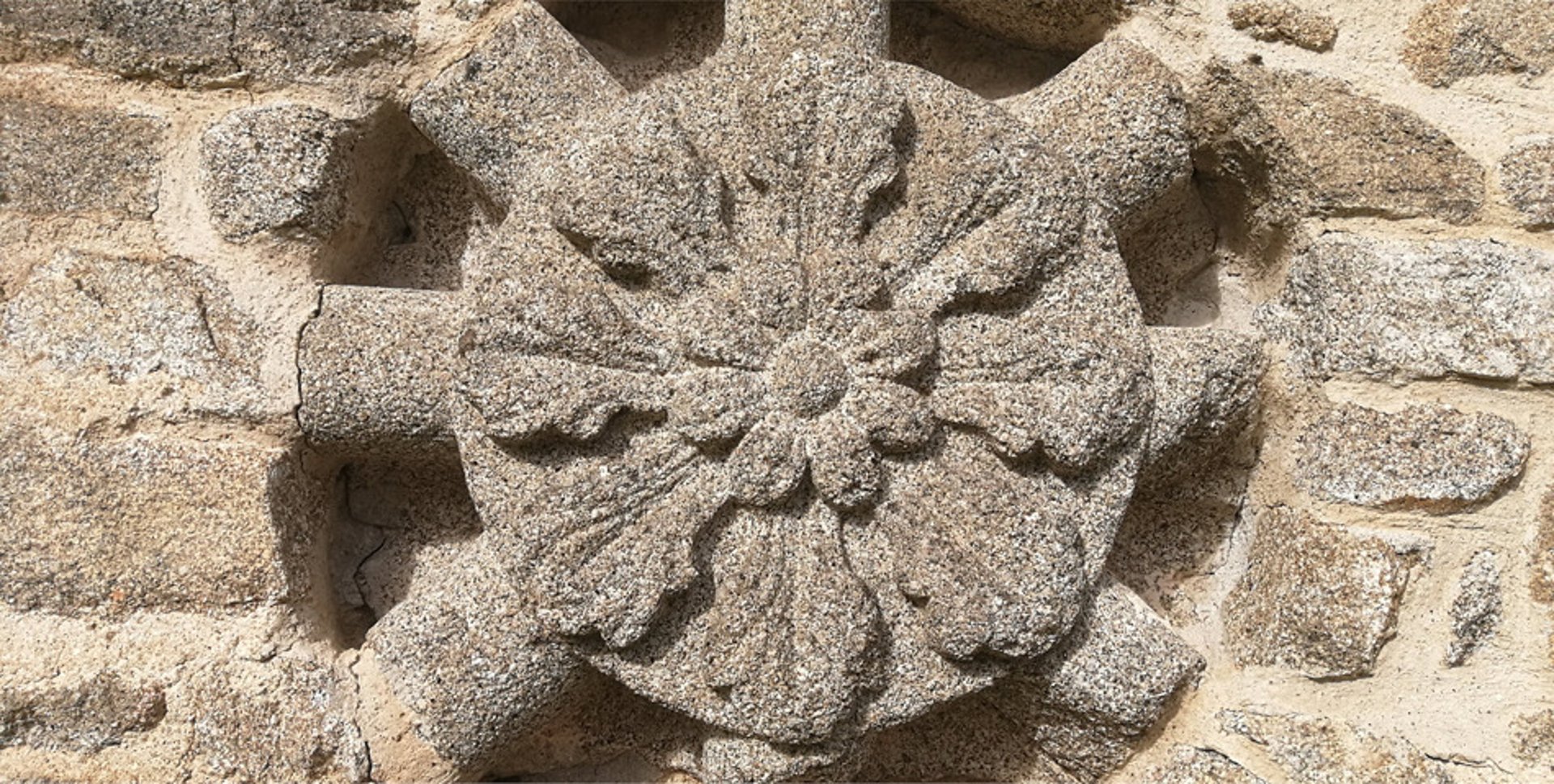
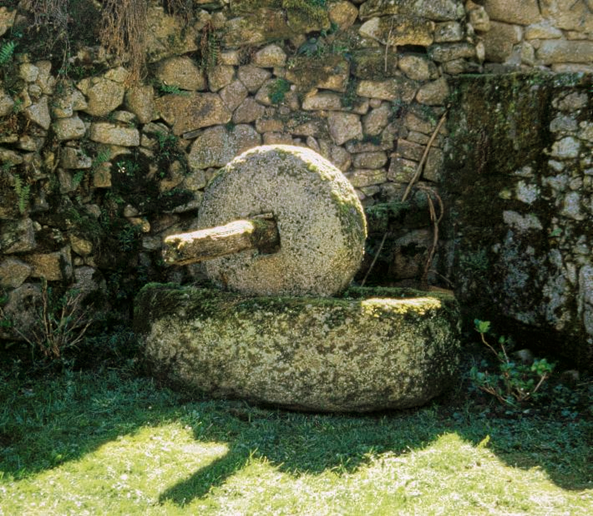
Here and there, in the commune of Chamberaud, we can see the remains of the former commandery, such as crosses of the Knights Templar engraved in granite.
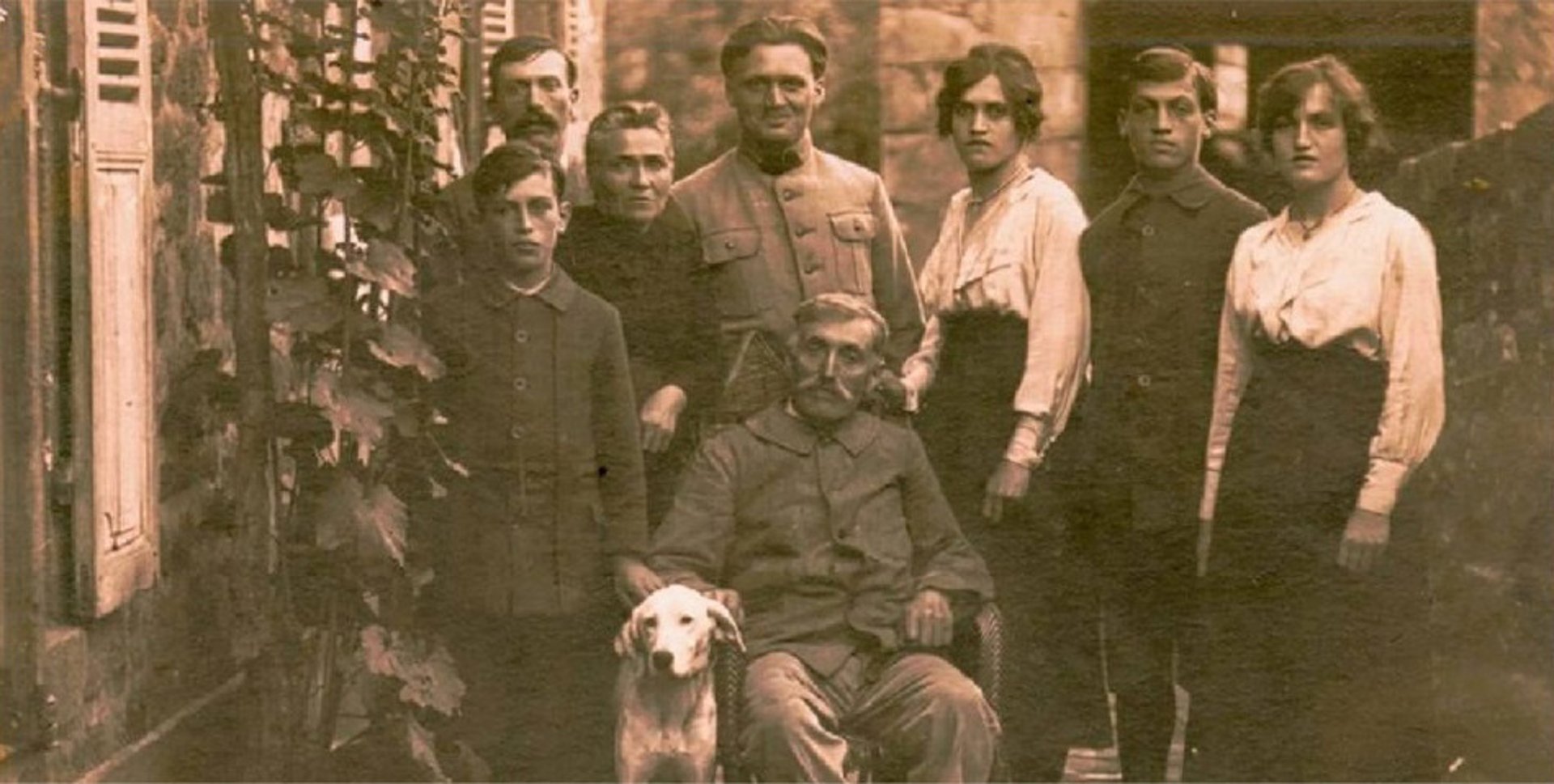
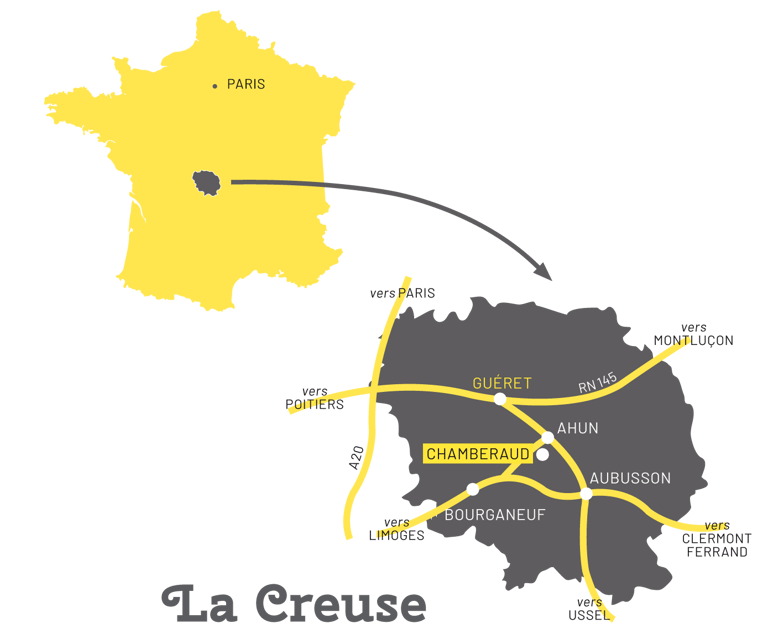
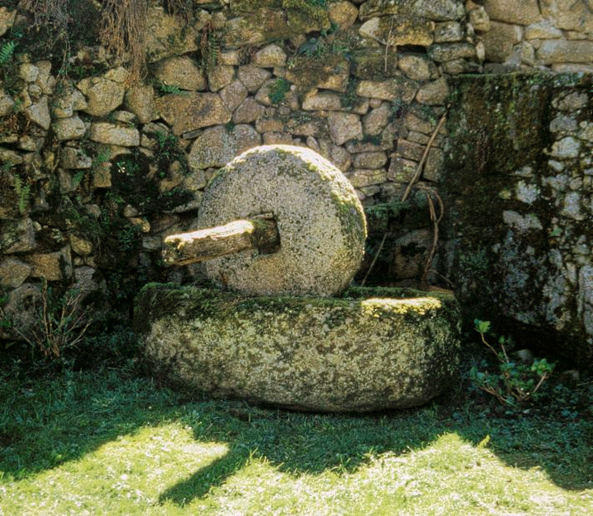
In the mid-19th century, two out of three men from La Creuse and the surrounding area left. They left their homes from spring to Christmas to earn enough to support their families, as other migrants do today. For them too, it was poverty that drove them to take to the road. Because in la Creuse, the only thing that grows well is stones. Granite rocks are clearly visible in the landscape. The soil has little usable depth, is not very fertile and is also full of stones. Making a living from agriculture was difficult here. So the men left, leaving the responsibility for the farms to the women, children and elderly. This particular migration began in the 15th century.
It was based on a skill that these peasants possessed: working with stone. Indeed, masons from la Creuse were renowned. The largest construction sites called on them, from Paris to Lyon. Everywhere, they knew how to assemble stones and secure them with lime mortar or earth. They had all the necessary skills. And they built the Louvre, churches, canals, the buildings that Haussmann, the Parisan prefect, supervised, and more. By creating businesses, they contributed to France's economic development and were also involved in the struggles to improve working conditions. In the 20th century, this unique migration came to an end. The train certainly made travel easier and allowed the masons to bring their families with them. And la Creuse became depopulated. However, you only have to travel through it to admire the legacy of the masons from la Creuse: beautiful houses, barns and churches, but also tombs. Their memory is engraved in... stone.
Since they had to leave
For further information, please feel free to write to us at:
admin@chamberaud.com